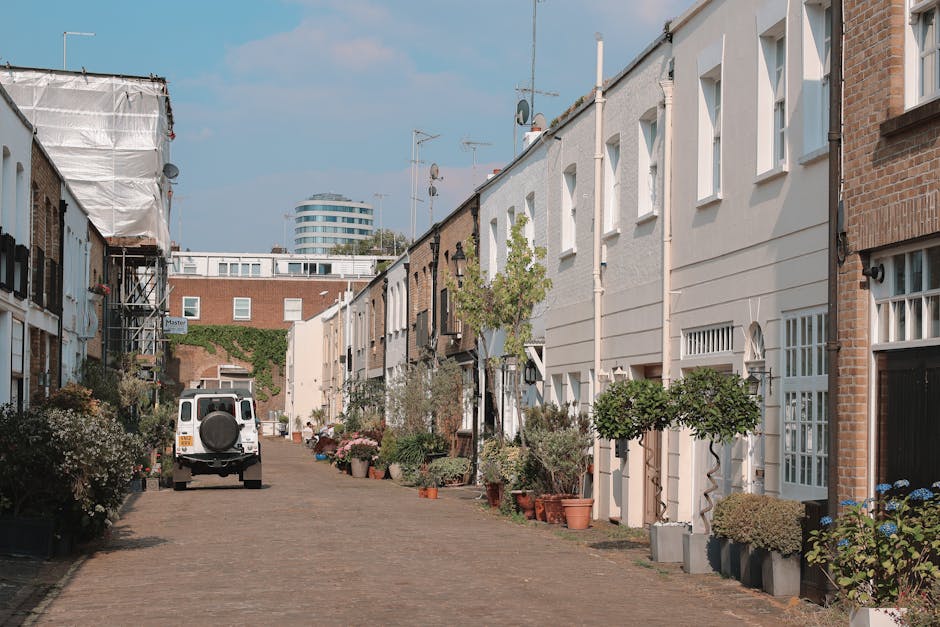
Notting Hill Gate gardeners balcony and courtyard care Bayswater
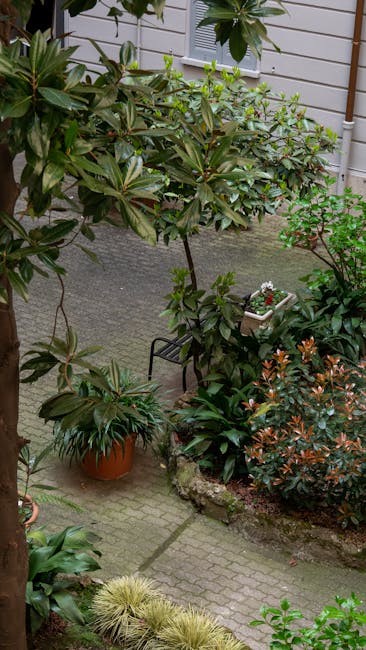
If you live near Notting Hill Gate or Bayswater, balcony and courtyard care can feel a bit like a balancing act. You want the space to look calm and green, but you also need it to stay tidy, safe, and manageable in a very urban setting. That is exactly where Notting Hill Gate gardeners balcony and courtyard care Bayswater becomes useful: it brings together regular maintenance, practical planting choices, and an eye for the realities of London outdoor spaces.
Small gardens can be brilliant. They can also be unforgiving. One windy week, one missed watering spell, and suddenly the place looks tired. The good news? With the right routine, even a narrow courtyard or compact balcony can stay fresh, inviting, and surprisingly easy to live with. This guide breaks down how it works, what matters most, common mistakes to avoid, and how to decide what level of care your space actually needs.
Why Notting Hill Gate gardeners balcony and courtyard care Bayswater Matters
Balconies and courtyards in this part of London usually have three things in common: limited space, changing light, and a lot of environmental pressure. Buildings can create pockets of shade, reflective heat, and wind tunnels all in one day. That means plants dry out quickly, leaves get battered, and surfaces collect debris faster than many people expect.
There is also the lifestyle side of it. A balcony that feels cramped or messy often becomes unused. A courtyard with clogged drainage, overgrown pots, or scruffy edges starts to feel like a problem rather than a pleasure. Let's face it, nobody wants to step outside for a coffee and feel slightly defeated by a wilting herb planter.
Good care turns those spaces into something useful again. It keeps them cleaner, safer underfoot, and more pleasant to sit in. It also protects the investment you have already made in planters, decking, trellis, and planting. If you are considering a broader refresh, the service range on services overview is a sensible place to understand what support is available for different outdoor jobs.
In practice, balcony and courtyard maintenance is less about grand landscaping and more about consistency. Little jobs matter. Trimming, feeding, deadheading, sweeping, checking drainage, and reshaping pots all make a difference. Miss them for a month and the whole space can look a bit sorry for itself. Keep on top of them and the area feels effortless.
How Notting Hill Gate gardeners balcony and courtyard care Bayswater Works
Most balcony and courtyard care begins with a simple assessment. What do you actually have? Is it a planted courtyard, a paved terrace, a roof-level balcony, or a mixed-use space with containers, screens, and a bit of decking? The answer shapes everything from watering routines to how often debris needs clearing.
From there, the work usually falls into a few practical strands:
- Plant health: checking for dryness, overcrowding, pests, damaged growth, and weak seasonal planting.
- Surface care: sweeping, jet-wash considerations where suitable, moss removal, and clearing dead leaves before they stain or clog drains.
- Container care: repotting, top-dressing, fresh compost, and keeping pots stable in windy spots.
- Structure and access: making sure screens, trellis, rails, and access routes stay secure and easy to use.
- Presentation: pruning, shaping, and arranging the space so it feels intentional rather than improvised.
A good gardener will often work in a rhythm rather than a one-off burst. That might mean seasonal visits for bigger refreshes, then regular maintenance in between. For many households, a recurring care plan is the difference between a space that looks good on special occasions and one that feels good every day.
And yes, timing matters. A damp morning in February calls for different attention than a hot afternoon in July. In warmer months, thirsty pots and hanging baskets can need close monitoring; in colder stretches, the focus shifts to drainage, pruning, and protecting delicate growth from damage.
If the space has become cluttered or is simply too much to tackle alone, it may help to combine care with a tidy-up visit. A broader reset through garden clearance can be useful when there is a build-up of dead material, broken pots, old compost, or general outdoor clutter.
Key Benefits and Practical Advantages
The obvious benefit is appearance. A neat balcony or courtyard looks more welcoming straight away. But the deeper value is in how the space performs over time. Good maintenance keeps plant losses down, reduces mess, and makes the area easier to use.
Here are the practical advantages that tend to matter most:
- Better plant survival: regular care reduces stress, especially in pots where roots have limited room.
- Cleaner surfaces: leaves, algae, and soil spillages are dealt with before they become slippery or stained.
- More usable space: a clear, organised layout makes even a tiny area feel larger.
- Less emergency maintenance: regular visits catch problems early, which is always cheaper and calmer than dealing with an overdue mess.
- Seasonal consistency: the space can move smoothly from spring planting to summer watering and autumn tidy-ups.
There is also a small but real wellbeing factor. People use spaces that feel cared for. A couple of healthy containers, a clean floor, and a bit of structure can change how a flat feels, especially in dense urban streets where outdoor breathing room is precious.
For homes that combine balcony planting with a courtyard or shared paved area, maintenance can also help avoid friction between aesthetics and practicality. The aim is not to create a miniature country estate. It is to make the space look good, function well, and not become another weekend headache.
Who This Is For and When It Makes Sense
This type of care suits a surprisingly wide range of people. Some have a few planter boxes outside a flat. Others manage a paved courtyard that needs structure and seasonal planting. Some simply do not have the time or mobility to keep up with maintenance. Others know what they want, but not how to make it hold together in a windy, shaded urban space.
It makes sense if you recognise any of these situations:
- You have containers drying out too quickly in summer.
- Your courtyard collects leaves, grit, and moss in awkward corners.
- Plants are becoming leggy, crowded, or patchy.
- You want the area to look presentable for guests, tenants, or everyday use.
- You are tired of replacing plants that fail because the setting is not right.
It also helps landlords, managing agents, and hospitality-style properties that rely on outdoor presentation. A courtyard can be a strong feature in a listing or customer-facing setting, but only if it is maintained properly. One untidy corner can spoil the whole impression. A bit harsh, but true.
If you are exploring wider outdoor improvements, pairing balcony care with landscape gardening or landscaping may be worth considering when the layout itself needs rethinking, not just routine upkeep.
Step-by-Step Guidance
A sensible maintenance routine does not need to be complicated. In fact, the simpler it is, the more likely it is to stick. Here is a clear way to approach balcony and courtyard care without getting lost in endless tasks.
- Start with a full visual check. Look at drainage, dead foliage, pot stability, broken fixtures, and any signs of stress in the plants. Stand back first; close inspection comes later.
- Clear the surface. Sweep away leaves, petals, soil, and grit. Pay attention to corners and drain covers, because that is where problems quietly begin.
- Assess watering needs. Terracotta, shallow pots, and exposed balconies usually dry out faster than you think. Check before watering rather than following a fixed habit every time.
- Prune and deadhead. Remove tired stems, spent flowers, and damaged growth so the plant can put energy into healthy development.
- Refresh tired containers. Top up compost, feed where suitable, and move plants if they are in the wrong light or wind exposure.
- Check safety and access. Make sure railings, hooks, and freestanding planters are secure. It sounds obvious, but windy weather has a way of exposing poor placement very quickly.
- Plan the next visit. Note what needs attention in the next four to six weeks. That small habit keeps the space from slipping backwards.
A practical extra step is to split tasks by season. Spring is often for cleaning, replanting, and setting the structure. Summer is about water and feeding. Autumn is the big tidy-up. Winter is protective, careful, and a bit restrained, which many people forget.
Expert Tips for Better Results
The best balcony and courtyard spaces are usually the ones that have been designed around how people actually use them, not just how they look in one photograph. Here are a few professional habits that make maintenance easier and results better.
Choose plants for the site, not for wishful thinking. If a balcony gets blasted by wind and strong afternoon sun, choose accordingly. If a courtyard is shaded and slow to dry, do the opposite. A plant that "should" work somewhere often behaves very differently once it meets London weather, brick reflections, and a tight container.
Use repetition. Two or three repeating plant types often look calmer than a crowded mix of random pots. The eye reads rhythm as order. It is a small thing, but it matters.
Watch the weight. This is especially important on balconies. Large planters, wet compost, and decorative features can add more load than people realise. If you are unsure, it is better to keep arrangements lighter and more modular.
Keep one corner simple. A clean, open area gives the space breathing room. It also makes sweeping and watering less fiddly. Honestly, even one tidy corner can make the whole place feel easier.
Think about evening use. A courtyard that catches a little soft light after work can feel lovely with just a couple of well-kept plants and a clear surface. No need to overdo it. Slightly calmer is often better than packed full.
For regular upkeep across planted areas, garden maintenance is often the most practical support option, especially when the space needs ongoing attention rather than a one-off rescue.
Common Mistakes to Avoid
Small outdoor spaces are forgiving in some ways and unforgiving in others. People often make the same mistakes, and they usually show up fast.
- Overwatering. Containers can look dry on top while still being wet underneath. That is how roots rot quietly.
- Ignoring drainage. A pretty pot is no good if water sits at the bottom after every shower.
- Choosing oversized furniture or planters. It can crowd the space and make maintenance awkward.
- Using the wrong plants for wind or shade. A plant that struggles will always need more rescue work.
- Letting dead growth build up. It makes plants look messy and can encourage disease or pests.
- Forgetting seasonal changes. What thrives in June may sulk by October if the plan is never adjusted.
There is also a softer mistake: treating the area like a mini version of a larger garden. A balcony is not a lawn, and a courtyard is not a border bed in the countryside. Their conditions are different. Their care has to be different too.
If the area includes grass nearby or a tiny turf strip as part of a larger courtyard setting, routine lawn mowing may still form part of the maintenance picture, but only where turf is genuinely present and properly established.
Tools, Resources and Recommendations
You do not need a huge kit to keep balcony or courtyard planting in good shape. The best tools are usually the simple ones used regularly rather than the clever ones left in a shed. Or, in flat terms, the sharp secateurs you actually reach for beat the fancy gadget you never remember to charge.
| Tool or resource | Best use | Why it helps |
|---|---|---|
| Hand trowel | Repotting and top-up planting | Keeps work neat in narrow spaces |
| Bypass secateurs | Pruning and deadheading | Makes cleaner cuts and reduces plant stress |
| Watering can or hose with control | Targeted watering | Prevents waste and runoff on balconies |
| Compost and top dressing | Refreshing tired containers | Supports healthy growth without complete replanting |
| Soft broom or brush | Daily or weekly surface care | Stops dirt and leaf build-up from becoming a bigger issue |
| Stable planters and trays | Balcony safety and water control | Helps prevent movement, staining, and overflow |
For spaces that need a deeper reset before maintenance can even begin properly, garden clearance can clear away the clutter and give you a blanker canvas to work with.
It is also worth thinking about how your maintenance routine connects to sustainability. Reusing planters, reducing waste, composting where appropriate, and choosing long-lived planting can all make the space easier to manage. The page on recycling and sustainability is relevant if you want to understand the kind of practical, lower-waste approach that suits city gardening well.
Law, Compliance, Standards, or Best Practice
Balcony and courtyard care is usually straightforward, but there are still a few sensible standards to keep in mind. The main one is safety. On upper-level balconies, secure placement matters. Heavy pots should be positioned carefully, and anything that could fall or blow over needs attention before it becomes a hazard.
Noise and access are worth thinking about too, especially in shared buildings. If maintenance work is being carried out in a block or managed property, it should be done with reasonable consideration for neighbours and building rules. That may sound obvious, but in real life it avoids hassle.
For professional work, you should expect proper care with equipment handling, safe working methods, and sensible insurance awareness. If you are hiring help, it is reasonable to ask how the team approaches safety and what level of cover or procedures they follow. The page on insurance and safety is useful for understanding the standards you should expect from a reputable service.
It can also be helpful to know how a company handles service expectations, payment clarity, and complaints if something does not go to plan. Those details may not sound glamorous, but they are part of trust. You can review pricing and quotes for a sense of how estimates are approached, and complaints procedure if you want to understand how issues are managed.
Best practice is not about overcomplicating a small outdoor space. It is about keeping it safe, tidy, and appropriate to the building and its users.
Options, Methods, or Comparison Table
There is more than one way to manage a balcony or courtyard, and the best option depends on time, budget, and how much you want the space to do for you. Here is a practical comparison.
| Approach | Best for | Pros | Trade-offs |
|---|---|---|---|
| DIY basic upkeep | Very small spaces, confident plant owners | Low cost, flexible, hands-on | Easy to fall behind, especially in summer |
| Occasional refresh visits | People who can manage light upkeep between visits | Good balance of support and control | Requires some regular attention from the owner |
| Scheduled maintenance plan | Busy households, landlords, managed properties | Reliable, consistent, less stress | Ongoing commitment, needs clear expectations |
| Redesign plus maintenance | Spaces that are awkward, tired, or poorly arranged | Can transform use and appearance | Higher upfront effort, but often worth it |
If your courtyard or balcony is suffering because the layout simply does not work, a maintenance-only approach may only go so far. In that case, broader landscape gardening or specific improvements like decking services may help create a surface and structure that is much easier to care for.
Case Study or Real-World Example
Imagine a Bayswater flat with a narrow balcony facing west and a small courtyard at the rear. The balcony has three planters, a chair, and a slim storage box. The courtyard has paving, two large pots, and a climbing plant that has started to sprawl a little too enthusiastically. Nothing dramatic. Just the kind of place that looks fine from a distance, then reveals a few problems up close.
Over a couple of visits, the priorities would likely be simple: sweep and clean the surfaces, remove damaged growth, reduce overcrowding in the planters, and reset the planting so the space feels lighter. A climber might need better support. The potted plants may need fresh compost and repositioning to catch more or less sun, depending on the aspect. If there is moss or leaf build-up around the paving edges, that would be cleared before it stains or becomes slippery.
What changes most is not just the appearance, but the feeling of the space. It starts to look deliberate. The chair becomes usable again. Watering becomes easier. You stop tiptoeing around the pots like they are delicate museum pieces, which, to be fair, is a relief.
That is the real value of good balcony and courtyard care. Not perfection. Function, calm, and a bit of everyday beauty.
Practical Checklist
Use this checklist if you want a quick sense-check before a visit or seasonal tidy-up.
- Check whether pots are stable and not blocking access.
- Inspect drainage points, trays, and corners for build-up.
- Remove dead leaves, spent flowers, and broken stems.
- Look for signs of overwatering or dry stress.
- Make sure plants suit the available light and wind exposure.
- Top up compost where soil has sunk or compacted.
- Trim, tie in, or reshape plants that are getting unruly.
- Clear any slippery patches, algae, or grime from paving or decking.
- Reassess whether the layout still works for how the space is used.
- Book the next maintenance step before things drift too far.
Quick takeaway: if the space is easy to water, easy to sweep, and easy to sit in, you are probably doing it right.
Conclusion
Balcony and courtyard care in Notting Hill Gate and Bayswater is really about making small spaces work properly. The best results come from steady maintenance, site-appropriate planting, and an honest understanding of what the space can and cannot do. Once that is in place, the area becomes easier to enjoy and far less stressful to manage.
Whether you need a one-off tidy-up, a recurring maintenance plan, or a more involved rethink of the layout, the right approach should feel practical rather than fussy. A good outdoor space does not shout. It just works, day after day, with very little drama. Which, if you think about it, is pretty much the dream.
If you are comparing options or planning your next step, it is worth reviewing the service information, safety details, and quote process before deciding. A clear conversation now usually saves a lot of hassle later.
Get a free quote today and see how much you can save.
And if all you do this week is clear a corner, trim one plant, and let a little more light back in, that still counts. Sometimes that is enough to get the whole space moving in the right direction.
Frequently Asked Questions
What does Notting Hill Gate gardeners balcony and courtyard care Bayswater usually include?
It usually covers plant care, pruning, deadheading, sweeping, surface tidying, container maintenance, and seasonal adjustments. In some cases, it may also include light redesign advice if the layout is causing recurring problems.
How often should a balcony or courtyard be maintained?
That depends on the size of the space, the amount of planting, and exposure to sun or wind. Many spaces benefit from regular checks every few weeks, with more frequent attention in hot or dry weather.
Why do plants on balconies dry out so quickly?
Balconies are often exposed to wind and reflected heat, and pots dry faster than ground soil. Containers have less buffer, so watering needs to be more attentive than in a traditional garden.
Can balcony care help if my space is very small?
Yes, very much so. Small spaces often benefit the most because a few well-kept containers and a clear surface can make the whole area feel bigger and calmer.
What is the difference between courtyard care and landscaping?
Courtyard care is usually about maintenance and presentation. Landscaping tends to involve layout changes, surface upgrades, planting redesign, or structural improvements. The two often work well together.
Do I need professional help, or can I manage it myself?
If the space is simple and you enjoy looking after plants, DIY may be enough. If the area is awkward, high-maintenance, or simply not being kept up, professional help can be a much easier option.
What are the most common problems in urban balcony planting?
Overwatering, wind damage, poor drainage, crowded pots, and choosing plants that do not suit the location are the most common issues. These often appear slowly, then all at once. Typical, really.
Is courtyard maintenance different in a shared building?
It can be. Shared access, neighbour considerations, building rules, and safety awareness all matter more in communal settings. A careful, tidy approach is usually best.
Can maintenance include clearing and resetting tired pots?
Yes. Refreshing container displays, replacing failed planting, and clearing away old material are often part of keeping the space healthy and presentable.
What should I ask before booking a gardener for a balcony or courtyard?
Ask what the service includes, how safety is handled, whether the approach suits your building access, and how the quote is structured. It also helps to ask about maintenance frequency and what happens if the space needs a bigger intervention.
How do I keep a courtyard looking good between visits?
Keep it simple: sweep regularly, remove dead growth, check drainage, and water thoughtfully. A tidy routine between professional visits usually makes a big difference.
Where can I learn more about the company behind the service?
You can read more on the about us page, and if you are ready to ask questions directly, the contact page is the best next step.