Recycling and Sustainability for Gardeners Bayswater
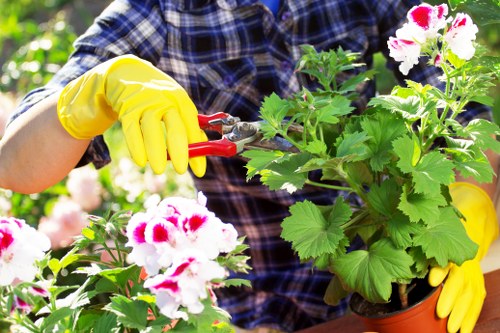 Welcome to the Recycling and Sustainability page for Gardeners Bayswater, focused on creating an eco-friendly waste disposal area and a model sustainable rubbish gardening area across the neighbourhood. Our aim is to help Bayswater gardeners reduce waste, reuse materials and close nutrient loops on site. Whether you manage a private front garden, a communal courtyard or a small allotment, this page explains how local practices, borough recycling schemes and practical partnerships can help transform garden waste into resources.
We set a clear recycling percentage target to guide local action: a bold, measurable goal of 70% recycling and composting of all garden and household organic waste from our projects by 2030. This target covers green waste, woody prunings, compostable plant pots and packaging from gardening supplies. By aiming high we push innovation in waste separation, reuse and low-carbon logistics for gardeners in Bayswater and surrounding boroughs.
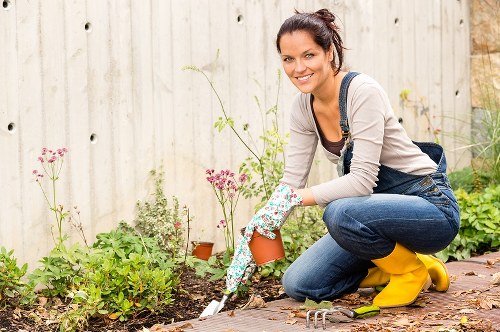 A practical rubbish gardening area starts with correct separation at source. Local boroughs often operate kerbside collections split into food waste, garden waste, mixed recycling and residual rubbish — a system that Gardeners Bayswater encourages residents to use correctly. We provide clear signage suggestions, colour-coded bins and simple labeling so volunteers and neighbours can sort leaves, grass cuttings, soil and pots before material leaves the site, keeping contamination low and recovery rates high.
To move material efficiently we work with nearby transfer stations and civic amenity sites operated by the borough and regional waste contractors. These local transfer stations accept green waste, wood, soil and inert materials for processing, composting or chipping. Where possible we schedule bulk drop-offs to these transfer centres and use community permits to reduce vehicle trips. Linking garden collections with a nearby transfer hub lowers emissions and accelerates recycling turnaround.
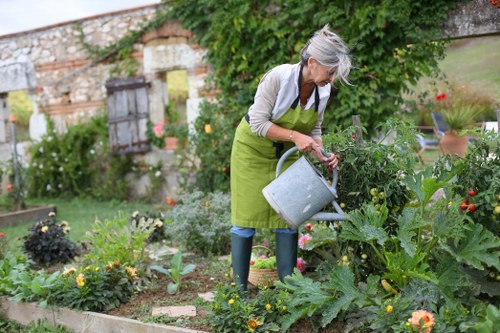 Partnerships are central to our approach. Gardeners Bayswater collaborates with charities and social enterprises that specialise in reuse and circular gardening: community compost hubs, local food redistribution charities, and organisations like Groundwork and Trees for Cities to repurpose timber and green waste. These partnerships enable surplus soil, broken pots and usable timber to be diverted to community projects rather than sent to landfill, creating social value alongside environmental benefit.
Our sustainable rubbish gardening area prioritises reuse: salvaged bricks, reclaimed timber for raised beds, and cleaned plastic pots circulated through charity networks. We maintain an internal exchange list for tools and seed swaps, and encourage local repair and repurpose events so perfectly serviceable items are kept in productive use. Such circular practices reduce demand for new materials and cut embedded carbon in gardening supplies.
Low-carbon collection and transport are key to reducing overall emissions from garden waste management. Gardeners Bayswater is transitioning to a fleet of low-carbon vans and electric cargo bikes for short trips, prioritising EVs for heavier loads and hybrids where full electrification is not yet feasible. Using quieter, cleaner vehicles supports local air quality goals and complements borough strategies to decarbonise waste collection logistics.
 We also support on-site treatment where feasible: community compost bays, wormeries and green waste shredders that turn cuttings into usable compost and mulch. Managed correctly, these systems reduce truck movements and produce high-quality soil amendments for planting beds. Training sessions explain compost thermodynamics, safe layering of materials, and how to monitor moisture and aeration to avoid odours and pests.
 Practical recycling activities for the area include:
- Kerbside separation of garden waste, food scraps and recyclable packaging in line with borough collection schemes.
- Community composting and shared hot-compost systems for woody trimmings and green cuttings.
- Reuse partnerships with charities to divert tools, pots and timber to community gardens.
- Delivery of bulky green waste to local transfer stations and civic amenity sites for processing.
- Use of low-emission vans and cargo bikes for collection, reducing transport carbon.
Monitoring, Reporting and Community Roles
We measure progress against our 70% recycling target through regular audits, weighing of diverted materials and reporting on the types of recyclable streams captured. Community volunteers and site managers record volumes sent to transfer stations, composted on site or given to partner charities. Public reporting encourages continuous improvement and shows how small changes by Bayswater gardeners add up to significant environmental gains.
How you can take part
Gardeners Bayswater invites local gardeners, allotment holders and communal garden managers to join our sustainability network. Simple actions — improving separation, donating usable materials, hosting a compost bin or adopting a low-emission collection slot — all help reach our goal. Together we build an eco-friendly waste disposal area and a resilient, sustainable rubbish gardening area that benefits biodiversity, soil health and the climate.
By combining borough waste separation schemes, local transfer stations, strategic charity partnerships and a shift to low-carbon vans, Gardeners Bayswater demonstrates how urban gardening and smart waste practices can thrive side by side. Join the movement to make Bayswater greener, cleaner and more circular — one compost heap and low-emission delivery at a time.

