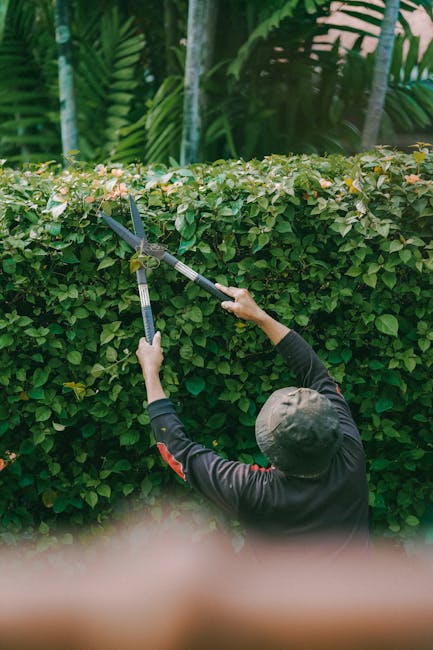
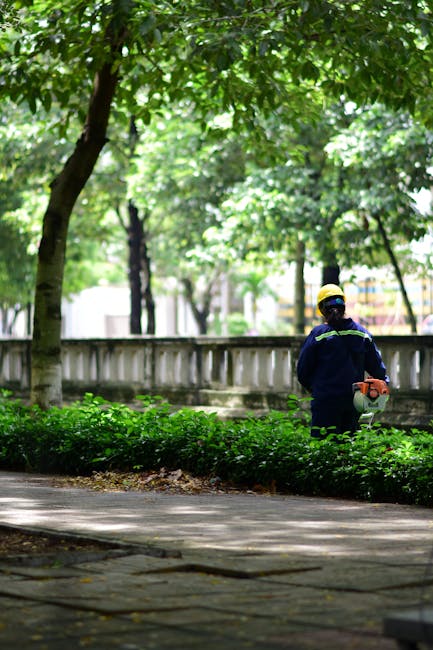
Queensway gardeners expert garden maintenance in Bayswater
If you live or manage property near Queensway and Bayswater, you already know the little things make a big difference: a tidy front garden, healthy borders, trimmed hedges, and paving that doesn't look tired after a wet week in London. Queensway gardeners expert garden maintenance in Bayswater is about more than keeping things neat. It is about protecting planting, preventing small problems from turning into expensive ones, and making outdoor space feel cared for all year round.
Truth be told, many gardens in this part of West London face the same pressures. Limited space, shade from nearby buildings, compact courtyards, busy households, and the odd patch that never quite gets enough sun. Good maintenance takes those realities seriously. In this guide, you'll find a practical breakdown of how expert garden maintenance works, what to expect, who needs it, and how to choose the right level of help without overpaying or under-thinking it.
If you want to understand the service more broadly, it can help to look at the full range of gardening services, learn more about the team, or check pricing and quotes before making a decision. Small step, but a sensible one.
Table of Contents
- Why Queensway gardeners expert garden maintenance in Bayswater Matters
- How Queensway gardeners expert garden maintenance in Bayswater Works
- Key Benefits and Practical Advantages
- Who This Is For and When It Makes Sense
- Step-by-Step Guidance
- Expert Tips for Better Results
- Common Mistakes to Avoid
- Tools, Resources and Recommendations
- Law, Compliance, Standards, or Best Practice
- Options, Methods, or Comparison Table
- Case Study or Real-World Example
- Practical Checklist
- Conclusion
- Frequently Asked Questions
Why Queensway gardeners expert garden maintenance in Bayswater Matters
A well-maintained garden does not happen by accident. In a dense urban area like Bayswater, outdoor spaces are often exposed to heavy use, limited airflow, reflected heat, pollution, stray litter, and fast-growing weeds that seem to appear overnight. A professional maintenance routine keeps all of that in check before the garden starts looking neglected.
There is also a property value angle, though you don't need to be obsessed with resale to appreciate it. A clean, healthy garden makes a home feel more complete. For landlords and managing agents, it helps maintain presentation standards. For homeowners, it simply makes the space more enjoyable to step into on a bright morning with a coffee in hand. You notice it straight away. So do guests.
Garden maintenance in Queensway and Bayswater also needs local awareness. Shaded corners under trees or along tall terrace walls can be prone to moss and sparse growth. Courtyards can dry out quickly. Communal areas may need more frequent tidying because they are used more often. Expert maintenance responds to these conditions rather than applying a one-size-fits-all routine.
Expert summary: effective garden maintenance is not just mowing and pruning. It is a regular, planned process that keeps plants healthy, controls risk, and preserves the overall look and function of the space.
If the garden is part of a wider property management plan, it may also make sense to review the business's health and safety approach and insurance and safety information. That sort of housekeeping is not glamorous, but it matters when work is being carried out around paths, tools, ladders, and shared access points.
How Queensway gardeners expert garden maintenance in Bayswater Works
At its best, garden maintenance is structured, not random. A gardener will usually start with a quick assessment: what is growing well, what is struggling, where debris collects, and which areas need immediate attention. After that comes a schedule that might include weekly, fortnightly, or seasonal visits depending on the size and condition of the garden.
The actual work often includes mowing, edging, weeding, hedge trimming, deadheading, leaf clearance, border tidying, pruning, feeding, mulching, and checking for pest or disease issues. Sometimes it also includes minor repairs or practical problem-solving, such as helping a bed drain better after heavy rain. In a compact London garden, those details can make a surprisingly big difference.
Good maintenance also respects plant timing. Pruning at the wrong moment can reduce flowering or stress a plant. Cutting back too hard can leave gaps that take months to recover. That's why a skilled local gardener looks at the season, plant type, and the property's rhythm rather than just getting everything "done" as fast as possible.
For readers comparing service structures, the services overview is a useful place to understand how the work is typically organised. If your needs are more bespoke, the safest route is to ask for a clear quote and a maintenance plan that matches the actual garden, not a generic package. Simple enough in theory, but it saves a lot of back-and-forth later.
Key Benefits and Practical Advantages
There are several reasons people choose professional garden maintenance rather than handling everything themselves. Some are obvious; some only become obvious after the first missed month of growth and rain.
- Better presentation: neat borders, trimmed hedges, and clean paths immediately improve how a property feels.
- Healthier planting: regular care reduces stress on plants and helps them recover from seasonal changes.
- Fewer emergencies: a small weed issue or dead branch is easier to manage than a full-scale mess.
- More usable space: maintained gardens are simply easier to enjoy, whether for sitting out, entertaining, or family use.
- Time saved: not everyone wants to spend Saturday morning with clippers and compost bags. Fair enough.
- Consistent standards: a recurring maintenance plan prevents the stop-start cycle that often lets gardens slide.
Another real advantage is predictability. Instead of reacting to problems, you stay ahead of them. That can be especially useful for rental properties, maisonettes with shared entrances, or busy households where no one person is responsible for "the garden bit."
And let's be honest, a garden that looks cared for tends to invite better care from everyone using it. People are less likely to dump clutter, leave debris around, or ignore a patch of overgrowth when the space already feels looked after. It's a small behavioural shift, but you'll notice it.
Who This Is For and When It Makes Sense
Queensway gardeners expert garden maintenance in Bayswater is useful for a wide mix of people, not just homeowners with large lawns. In fact, large lawns are not the typical story here. More often it is about compact but important outdoor spaces that need regular attention.
It tends to make sense for:
- homeowners who want a tidy, healthy garden without losing their weekends
- landlords who need the exterior to stay presentable between tenancies
- managing agents responsible for communal entrances or small shared gardens
- busy professionals who prefer a schedule they can trust
- older residents who would rather not manage physically demanding tasks themselves
- new property owners trying to bring an overgrown space back under control
It also makes sense if your garden has a mix of planting, paving, containers, and awkward edges. Those are often the spaces that look simple at a glance and then turn out to need more finesse than expected. One missed corner and suddenly the whole thing looks untidy. Funny how that works.
If you are unsure whether ongoing maintenance is necessary, ask yourself a simple question: would the garden still look respectable in six weeks if no one touched it? If the answer is no, a maintenance plan is probably worth it.
Step-by-Step Guidance
If you are booking expert garden maintenance for the first time, it helps to understand the process. That way you know what good service should look like and what to ask about before work begins.
- Assess the space. A proper visit starts with a look at the full garden, not just the obvious problem spots. Paths, beds, pots, fences, access points, and drainage all matter.
- Identify priorities. Some areas may need immediate clearance, while others only need routine care. The plan should reflect that.
- Set a schedule. Decide how often the garden needs attention. Weekly and fortnightly visits are common for ongoing upkeep, while some spaces only need seasonal support.
- Agree the scope. Be clear on whether the work includes weeding, pruning, mowing, hedge cutting, leaf clearance, and disposal of green waste.
- Carry out the maintenance. A good gardener works systematically, starting with urgent tasks and finishing with the details that sharpen the whole look.
- Review and adjust. Gardens change through the year. Spring growth, summer dry spells, autumn leaf fall, and winter pruning all call for slightly different treatment.
One practical tip: take a few photos before the first visit. Not because anyone needs a dramatic before-and-after reveal, but because it makes later review easier. You can see what has improved, what still needs attention, and whether the schedule is right.
If payment handling is part of your process, it's worth checking payment and security information so there are no surprises. Clear arrangements are underrated. They really are.
Expert Tips for Better Results
Here is the honest version: the best-maintained gardens are usually the ones with a sensible routine, not the ones that get a heroic rescue every few months. Consistency beats drama.
1. Match maintenance to the season
Spring growth is fast, summer maintenance is often about watering, edging, and deadheading, and autumn brings leaf clearance and tidying. Winter, meanwhile, is a good time for structure, pruning, and protection. A good plan shifts with the weather instead of pretending the garden is static.
2. Keep an eye on the "small stuff"
It is often the tiny things that create the biggest mess: a few weeds left to seed, a hedge left a little too long, or a drain cover buried under leaves. Catching these early keeps the whole garden calmer.
3. Don't over-prune
People often assume that cutting more means helping more. Not always. Some shrubs and flowering plants respond badly to heavy-handed pruning. If in doubt, less is often safer than more.
4. Make disposal part of the plan
Green waste can build up fast. A tidy garden can look messy again the minute bags are left in a corner. Ask how cuttings, clippings, and debris are handled. That detail matters, especially in small spaces.
5. Think in layers
Maintenance is not only about the plants. Paths, planters, boundary edges, gates, and even storage areas contribute to the overall impression. A clean edge beside an unkempt bed still looks half-finished.
A simple but useful habit: do a quick visual check after each visit from the gate, the doorway, and the main sitting area. Different viewpoints reveal different problems. Slightly annoying, yes. Also very effective.
Common Mistakes to Avoid
Even well-intentioned garden owners can end up making avoidable mistakes. Some are just time-consuming. Others can set a garden back for months.
- Waiting too long between visits: overgrowth is easier to prevent than to reverse.
- Using one fixed routine all year: gardens need different treatment as the seasons change.
- Ignoring soil condition: poor soil leads to weak growth, no matter how often you tidy the surface.
- Forgetting access issues: narrow side paths, locked gates, and shared entrances should be planned for in advance.
- Choosing based on price alone: the cheapest quote is not always the best value if the scope is vague.
- Skipping waste removal: clean-up is part of the job, not an optional extra in a neat little universe.
Another common issue is expecting a once-off tidy to behave like an ongoing maintenance programme. It won't. A one-time clear-up can transform the space, but if the garden is in active growth, the job starts again quickly. That is not failure. It is just gardening.
Tools, Resources and Recommendations
The right tools are not exciting, but they are the reason maintenance can be done safely and properly. For routine garden care, professionals usually rely on dependable equipment suited to the size and shape of the site.
| Task | Typical tools | Why it matters |
|---|---|---|
| Weeding | Hand forks, hoes, kneeling pads | Removes roots cleanly and reduces regrowth |
| Pruning | Secateurs, loppers, pruning saws | Helps shape plants without crushing stems |
| Hedge cutting | Hedge trimmers, hand shears | Keeps boundaries neat and manageable |
| Leaf clearance | Rakes, blowers, collection bags | Prevents slippery paths and blocked corners |
| Border care | Spades, edging tools, mulch forks | Maintains structure and supports plant health |
For the property owner, the most useful "resource" is a clear maintenance brief. It should say what you want, what you do not want, and what matters most. For example: keep wildlife-friendly planting, reduce height but do not hard-cut flowering shrubs, tidy the front before the back, and remove all waste. That sort of thing saves time for everyone.
If sustainability matters to you, you may also want to review the site's recycling and sustainability information. Responsible waste handling and sensible material use are becoming standard expectations, not a nice-to-have.
Law, Compliance, Standards, or Best Practice
Garden maintenance is not usually a heavily regulated service in the way some trades are, but there are still important standards and best practices to keep in mind. Safety comes first. So does clarity.
For example, anyone carrying out work on your property should use suitable equipment, manage hazards sensibly, and avoid creating trip risks or unsafe access conditions. If ladders, powered tools, or shared pathways are involved, basic caution is essential. This is one reason it is wise to ask about health and safety practices and insurance cover before work begins.
In the UK, waste handling and site tidiness are also practical best-practice issues. Green waste should not be left to blow around, and any disposal arrangements should be understood clearly. If a contractor is coming and going through shared access or communal areas, communication matters too. Not fancy, just sensible.
Trust signals matter as well. A business that publishes its terms and conditions, privacy policy, and fair complaints procedure is usually making life easier for customers, not harder. It shows there is a structure behind the service.
If accessibility matters for the household, tenants, or building users, you can also review the accessibility statement. Small thing perhaps, but a meaningful one when services are being arranged for different users with different needs.
Options, Methods, or Comparison Table
There is more than one way to keep a Bayswater garden in shape. The right method depends on budget, how much work the garden needs, and how quickly it gets out of hand. Here is a simple comparison.
| Approach | Best for | Strengths | Trade-offs |
|---|---|---|---|
| One-off tidy-up | Overgrown or neglected gardens | Fast visible improvement, useful reset | Needs follow-up to stay tidy |
| Routine maintenance | Homes and managed properties | Consistent standards, less stress, better plant health | Requires regular scheduling |
| Seasonal visits | Low-to-moderate upkeep gardens | Cost-efficient, good for periodic tasks | Less control between visits |
| Full service care | Busy households or multi-use spaces | Most comprehensive, easiest to manage | Higher ongoing commitment |
In practice, many people start with a one-off tidy and then move into routine visits once they see how quickly the garden changes. That can be a smart middle ground. There is no prize for making it harder than it needs to be.
Case Study or Real-World Example
Imagine a small rear garden near Queensway with a paved seating area, two raised beds, a few shrubs, and a narrow strip of lawn. On paper, it sounds simple. In reality, the space gets shade for half the day, weeds creep through the edging, fallen leaves gather in the corners, and the hedge grows unevenly toward the light.
A sensible maintenance approach would begin with a full tidy: removing debris, clearing the beds, trimming the hedge, checking plant health, and edging the lawn or border line. After that, the work would shift to a lighter recurring routine. The goal is not to make the garden look artificial. It is to make it feel manageable.
What usually happens next is interesting. The seating area gets used more. The owner stops putting off small jobs. The garden becomes part of the home again rather than that slightly guilty-looking space outside the back door. You see this often in London properties, especially where space is tight and every square metre has to earn its keep.
If the space is being managed professionally, the next step is usually a clearer schedule and a proper point of contact. That is where contacting the team directly becomes useful, because the best plan is the one built around the actual garden, not assumptions from a distance.
Practical Checklist
Use this checklist before booking or reviewing a maintenance service. It keeps the conversation focused and helps avoid hidden surprises.
- Have I described the size and layout of the garden clearly?
- Do I know whether the service includes waste removal?
- Have I listed the tasks that matter most, such as pruning, mowing, or weeding?
- Is the garden mainly ornamental, functional, wildlife-friendly, or mixed?
- Do I need a one-off tidy, regular maintenance, or seasonal support?
- Are there access issues, shared entrances, pets, or security concerns to mention?
- Have I checked safety, insurance, and working practices?
- Do I understand how pricing is structured?
- Have I reviewed relevant policy pages, including privacy and terms?
- Do I know who to contact if something needs clarification later?
Quick rule of thumb: the clearer you are at the start, the better the result. Gardens do not benefit from guesswork, and neither do customers.
Conclusion
Queensway gardeners expert garden maintenance in Bayswater is about restoring calm to outdoor space and keeping it that way. It helps gardens stay healthy, safe, attractive, and genuinely usable, whether the space is a compact courtyard, a front garden, or a shared residential area. The best maintenance plans are practical, seasonal, and tailored to the realities of the property.
If you want a garden that looks cared for without constantly needing your own weekends, expert help is often the neatest answer. Not fancy. Just effective. And honestly, that is what most people want.
Get a free quote today and see how much you can save.
When the right routine is in place, a garden stops feeling like a chore and starts feeling like part of home again. That is the real win.
Frequently Asked Questions
What does expert garden maintenance usually include?
It typically includes routine tasks such as mowing, weeding, hedge trimming, pruning, deadheading, leaf clearance, and general tidying. Some services also include waste removal and seasonal care.
How often should a garden in Bayswater be maintained?
That depends on the size of the garden, planting density, and how quickly it grows. Many urban gardens benefit from weekly or fortnightly visits in peak growing seasons, while others only need seasonal attention.
Is one-off garden clearance enough?
It can be enough for a reset, especially if the garden has become overgrown. But if you want the space to stay tidy, a follow-up maintenance schedule is usually the better option.
What makes Queensway and Bayswater gardens different from suburban gardens?
Space is often tighter, shade can be heavier, and access may be more limited. That means maintenance needs to be more considered and efficient, especially where planting sits close to paving or shared entrances.
How do I know if I need regular maintenance or just seasonal help?
If the garden looks untidy within a few weeks of being cleared, regular maintenance is probably the better fit. If it only needs help at key times of year, seasonal visits may be enough.
Should I ask about insurance before booking a gardener?
Yes, that is a sensible question. If work involves tools, ladders, or shared access areas, you want reassurance that the contractor has appropriate insurance and safe working practices in place.
Do gardeners remove waste as part of the service?
Sometimes yes, sometimes it is quoted separately. Always confirm this in advance so you know whether clippings, branches, and debris will be taken away or left for you to handle.
What should I prepare before a maintenance visit?
Clear access where possible, mention any sensitive plants or areas to avoid, secure pets, and make sure the gardener knows about any parking or entry restrictions. A little preparation helps a lot.
Can garden maintenance improve property presentation?
Absolutely. A neat, healthy garden creates a stronger first impression and can make the whole property feel better cared for. It is one of those things people notice immediately, even if they do not say it out loud.
How do I get a quote for Queensway gardeners expert garden maintenance in Bayswater?
The easiest way is to provide a clear description of the garden, what work is needed, and how often you want visits. You can then request pricing and quotes or go straight to the contact page to discuss the job in more detail.
What if I have a complaint or need to raise an issue?
It helps to know the process upfront. A published complaints procedure gives you a clearer route if something needs to be resolved after the visit.
Is my information handled securely when I enquire online?
You should always check the business's privacy and payment information. Reviewing the privacy policy and payment and security details is a good habit before sharing personal information or making payment arrangements.